America can’t remain a serious economic superpower if it cannot build efficiently. Infrastructure such as pipelines, transmission lines, and roads doesn’t appear by accident. These projects depend on a permitting process that directly impacts how quickly and affordably they can be built. Today, the process makes projects more expensive and creates delays, making it difficult to create crucial infrastructure when it is needed most.
As energy affordability becomes an increasing concern and energy demand continues to rise, America’s ability to efficiently permit and build infrastructure will be crucial to its success.
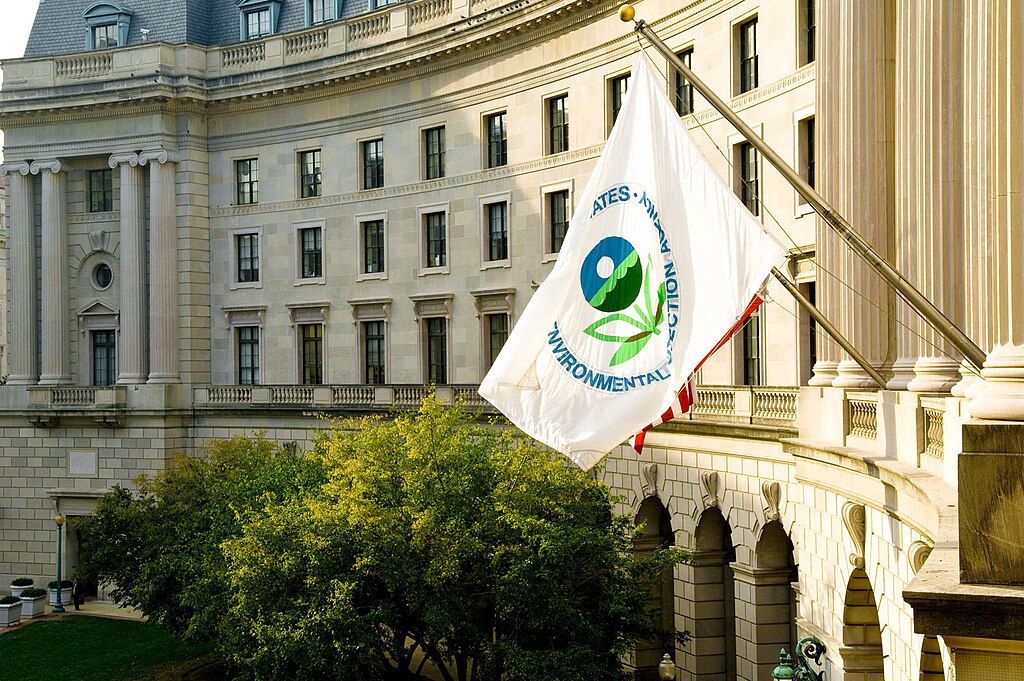
Last month, the EPA proposed reforming the Clean Water Act’s Section 401. This isn’t just a good idea. It’s long overdue.
Section 401 of the Clean Water Act was created with a narrow and practical purpose: to allow states to certify that federally permitted projects will comply with established state water quality standards. When Section 401 was created, the rule was intended to be a safeguard to ensure that projects met basic environmental requirements without giving the state broad authority to revisit permitting decisions.
In recent years, that role has been expanded far beyond the original intent. Instead of focusing on water quality, Section 401 has been used to delay projects for reasons unrelated to water quality. This drastic shift was further supported in 2023 when the Biden administration changed the rule to give states more discretion. As a result, states had more latitude to impose conditions outside of the original purpose, resulting in prolonged delays.
It had nothing to do with environmental protection and quickly led to regulatory overreach.
With the EPA’s proposed rule, Section 401 would reestablish the guardrails that Congress originally intended. Guardrails such as refocusing reviews on water standards, clarifying clear timelines, and limiting the power of state authority. It also preserves the vital roles that states play in protecting water resources. The balance that was disrupted during the Biden administration is closer than ever to being restored.
Another dynamic that Section 401 brings back is predictability to the process. It standardizes procedures and enforces clear, enforceable timelines that prevent reviews from being extended indefinitely. Applicants will know exactly what’s required, while certifying authorities will know what is within their jurisdiction. This added certainty shortens review timelines and allows projects to move forward to completion without unnecessary delay.
The goal isn’t to weaken environmental protections, but to apply them more efficiently and lawfully in a way that enables responsible development going forward.
>>>READ: The Future of American Energy Dominance Hinges on Regulatory and Permitting Reform
Administrator Lee Zeldin put it plainly: “Today’s proposal restores the Clean Water Act to its intended purpose, protecting America’s water quality and ending the weaponization of the law that has been obstructing infrastructure and energy projects vital to our nation’s economy.”
The economic impacts of this aren’t just theory. Delayed projects mean higher energy costs, fewer jobs, and further dependence on foreign adversaries. When transmission projects are blocked, the grid’s reliability suffers. When pipelines are stalled, consumers pay more for energy.
Permitting reform is an economic necessity.
Members of Congress have been bringing attention to this for years. Senate Environment and Public Works Committee Chair Shelley Moore Capito(R-WV) has long pushed for modernizing the Section 401 process to prevent abuse. House Transportation and Infrastructure Committee Chairman Sam Graves (R-MO) has also made similar arguments while advancing the PERMIT Act, which passed committee last year. All of this is built around the belief that America needs the ability to build faster.
Permitting reform is a must if we want affordable energy and a competitive economy. This proposal represents a great step toward restoring common sense to policy that has gone off the rails. By clarifying how the rule is applied, it helps to address some of the most immediate problems created by over regulation. On the other side, since it relies on administrative authority, its impact may be limited. Completely resolving these issues will require legislative action to modernize the underlying issues.
If we are serious about building the future, this rule must move forward.
The views and opinions expressed are those of the author’s and do not necessarily reflect the official policy or position of C3.